Journal Bearing Failure Prevention
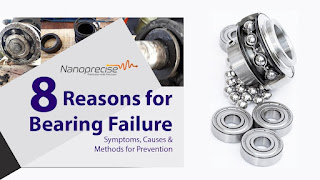
Journal Bearing Failure Prevention is an essential component in many industrial machines and equipment. They are used to support rotating shafts and ensure smooth operation. However, failure of these bearings can lead to costly downtime, repairs, and even safety hazards. Bearing failures can occur due to various reasons such as poor lubrication, contamination, misalignment or excessive loads. Therefore, it is crucial to take proactive measures that prevent bearing failures before they happen.

Journal Bearing Failure Prevention is crucial because bearings play an essential role in the operation of many industrial machines. Bearings support rotating shafts, reduce friction and heat buildup between moving parts and provide smooth movement of machine components. When a bearing fails, it causes significant disruption to the machine's performance and can cause secondary damage to other critical components.
Businesses can significantly reduce the likelihood of bearing failures by implementing preventative measures such as regular maintenance, monitoring of bearing conditions, proper lubrication, and training employees on best practices for handling machinery.
Conclusion:
In conclusion, nanoprecise technology has revolutionized the way we approach journal bearing failure prevention. By utilizing advanced algorithms and predictive maintenance techniques, we can identify potential issues before they become catastrophic. This saves businesses time and money and increases safety and reliability in critical machinery. As technology continues to advance, it is important for industries to stay up-to-date with these advancements to ensure their success and longevity. Let us embrace the power of nano precise technology and continue to strive towards a safer and more efficient future for all.
%20(1).jpg)
Comments
Post a Comment